Platform comparison
| Platform | YES odds | NO odds | Fee | KYC | Settlement | |
|---|---|---|---|---|---|---|
Polymarket (via Polymarket Klarna UK) Pick polygram.ink (preferred broker) |
8% | 92% | 0% (USDC on-chain) | No-KYC up to $1,500 | USDC, auto via UMA oracle | Go to the live market → |
Polymarket (direct) polymarket.com |
8% | 92% | 0% | Geo-blocked in US/UK/EU | USDC, on-chain | Go to the live market → |
Kalshi kalshi.com |
— | — | Up to 7% per trade | US-only, KYC required | USD | Go to the live market → |
Betfair Exchange betfair.com |
— | — | 2-5% commission | Full KYC from first trade | GBP / EUR | Go to the live market → |
Manifold Markets manifold.markets |
— | — | Play-money (mana) | None — play-money | Mana (no cash-out) | Go to the live market → |
Market context
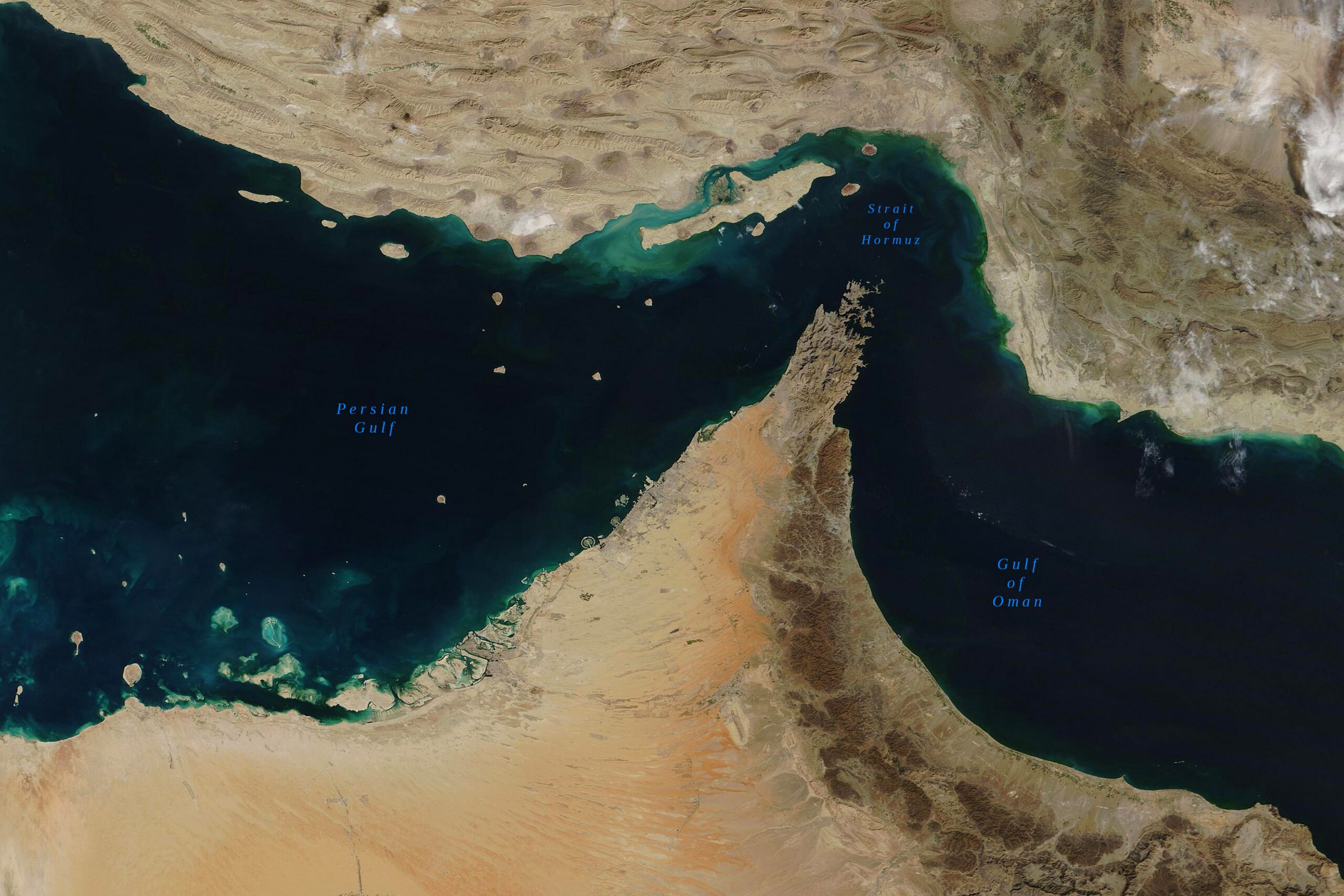
The Strait of Hormuz handles roughly one-third of global seaborne oil trade, yet transit volumes have remained depressed since regional tensions escalated in 2024. The market asks whether daily ship arrivals will recover to a 7-day average of 60 or higher by mid-September 2026—a threshold that would signal normalisation after months of rerouting, insurance premium spikes, and operational delays. Current crowd pricing at 9% YES reflects scepticism that such a recovery occurs within the settlement window.
Historical precedent matters here. Following the 2019 tanker attacks and the 2022 Houthi drone incidents, the Strait saw temporary traffic dips of 15–25% before rebounding within 6–12 months as shipping adapted to new insurance costs and security protocols. The 2024 escalation differs in duration and geopolitical complexity; however, comparable disruptions have resolved through a combination of route optimisation, insurance normalisation, and de-escalation. A 60-call average would represent roughly 80% of pre-disruption baseline traffic, a level achieved during previous recovery phases rather than full normalisation.
Traders should monitor three dependencies: announcements from the International Maritime Organization regarding corridor safety assessments, scheduled negotiations between regional powers (typically signalled via diplomatic channels), and weekly IMF Portwatch data releases themselves. Any sudden shift in insurance premiums downward or publicly confirmed security improvements in the corridor would likely trigger rapid repricing. Funding flows into this market depend on straightforward deposit rails—SEPA transfers, Klarna's buy-now-pay-later mechanism, and USDC on-ramps all reduce friction for European traders evaluating geopolitical risk, making book depth responsive to news cycles rather than structural barriers.
Methodology
This page compares Strait of Hormuz traffic returns to normal by September 15? with a focus on payment rails and deposit friction. Polymarket accepts USDC on Polygon only; Kalshi only ACH/Plaid (US only); Betfair card/SEPA in EU/UK; Manifold no deposit. Polymarket Klarna UK additionally offers Klarna and SOFORT as fiat on-ramps to USDC. Live odds reflect the Polymarket order book.
Resolution & payout
Settlement path determines payout latency. Polymarket settles on-chain (USDC, minutes). Broker frontends like Polymarket Klarna UK add Klarna/SOFORT as fiat withdrawal options with T+1 processing. Kalshi: USD via ACH (T+1 to T+3). Betfair: local currency via card/SEPA (T+1 to T+5).
UK Frequently Asked Questions
- How does Klarna deposit work on Polymarket Klarna UK?
- You enter the deposit amount in EUR/GBP, choose Klarna as the method, run through Klarna's standard authentication (Pay Later or Direct Bank Transfer), and Polymarket Klarna UK converts internally to USDC for the Polymarket order book. Processing: typically under 30 minutes.
- What does SOFORT cost as a deposit method?
- Polymarket Klarna UK charges no fees for SOFORT. The only cost is the internal FX spread (typically <1%) on EUR→USDC conversion. SOFORT itself has no end-user fees — the platform absorbs acquirer costs.
- Can UK traders use Klarna to deposit on Polymarket?
- Polymarket does not natively accept Klarna. To fund a Polymarket account from the UK, you must first purchase USDC via a crypto exchange (Coinbase UK, Kraken) or Revolut, then transfer to a Polygon-compatible wallet. Some third-party on-ramps (MoonPay, Transak) accept UK debit cards and may support Klarna buy-now-pay-later for crypto purchases.
- What payment methods can UK users use for Polymarket?
- UK traders typically use: (1) Coinbase UK or Kraken — buy USDC with GBP debit card or bank transfer; (2) Revolut — buy crypto and send to wallet; (3) MoonPay or Transak — Visa/Mastercard UK debit card directly to USDC on Polygon. Standard GBP-to-USDC conversion fees range from 0.5–2.5%.
- How long do Polymarket withdrawals take for UK users?
- Polymarket withdrawals to your Polygon wallet are instant (on-chain). Converting USDC back to GBP via Coinbase UK or Kraken typically takes 1–3 business days for bank transfer, or near-instant for Revolut. Polygon gas fees are minimal (<$0.01 per transaction).
%22%2F%3E%3Cpath%20d%3D%22M%206%2066%20A%2026%2026%200%200%201%2058%2066%22%20fill%3D%22%23E6B98D%22%20opacity%3D%220.9%22%2F%3E%3Ccircle%20cx%3D%2232%22%20cy%3D%2226%22%20r%3D%2222%22%20fill%3D%22%23F5CBA7%22%2F%3E%3Crect%20x%3D%2210%22%20y%3D%224%22%20width%3D%2244%22%20height%3D%2214%22%20rx%3D%227%22%20fill%3D%22%2310b981%22%20opacity%3D%220.9%22%2F%3E%3Crect%20x%3D%228%22%20%20y%3D%2218%22%20width%3D%228%22%20%20height%3D%2218%22%20rx%3D%224%22%20fill%3D%22%2310b981%22%20opacity%3D%220.7%22%2F%3E%3Crect%20x%3D%2248%22%20y%3D%2218%22%20width%3D%228%22%20%20height%3D%2218%22%20rx%3D%224%22%20fill%3D%22%2310b981%22%20opacity%3D%220.7%22%2F%3E%3C%2Fsvg%3E) and
and%22%2F%3E%3Cpath%20d%3D%22M%206%2066%20A%2026%2026%200%200%201%2058%2066%22%20fill%3D%22%23E6B98D%22%20opacity%3D%220.9%22%2F%3E%3Ccircle%20cx%3D%2232%22%20cy%3D%2226%22%20r%3D%2222%22%20fill%3D%22%23F5CBA7%22%2F%3E%3Crect%20x%3D%2214%22%20y%3D%224%22%20width%3D%2236%22%20height%3D%228%22%20rx%3D%224%22%20fill%3D%22%2310b981%22%2F%3E%3C%2Fsvg%3E)
Trade Strait of Hormuz traffic returns to normal by Septem… on Polymarket Klarna UK
Live order book, 0% fees, USDC settlement in seconds.
Open live market →