Platform comparison
| Platform | YES odds | NO odds | Fee | KYC | Settlement | |
|---|---|---|---|---|---|---|
Polymarket Klarna UK Pick polygram.ink |
19% | 81% | 0% (USDC on-chain) | No-KYC up to $1,500 | USDC, auto via UMA oracle | Open on Polymarket Klarna UK → |
Polymarket polymarket.com |
19% | 81% | 0% | Geo-blocked in US/UK/EU | USDC, on-chain | Open on Polymarket Klarna UK → |
Kalshi kalshi.com |
— | — | Up to 7% per trade | US-only, KYC required | USD | Open on Polymarket Klarna UK → |
Betfair Exchange betfair.com |
— | — | 2-5% commission | Full KYC from first trade | GBP / EUR | Open on Polymarket Klarna UK → |
Manifold Markets manifold.markets |
— | — | Play-money (mana) | None — play-money | Mana (no cash-out) | Open on Polymarket Klarna UK → |
Live odds for Polymarket-based markets come from the Polygon order book. Non-Polymarket venues show attributes only; clicking any row opens the market on Polymarket Klarna UK.
Market context
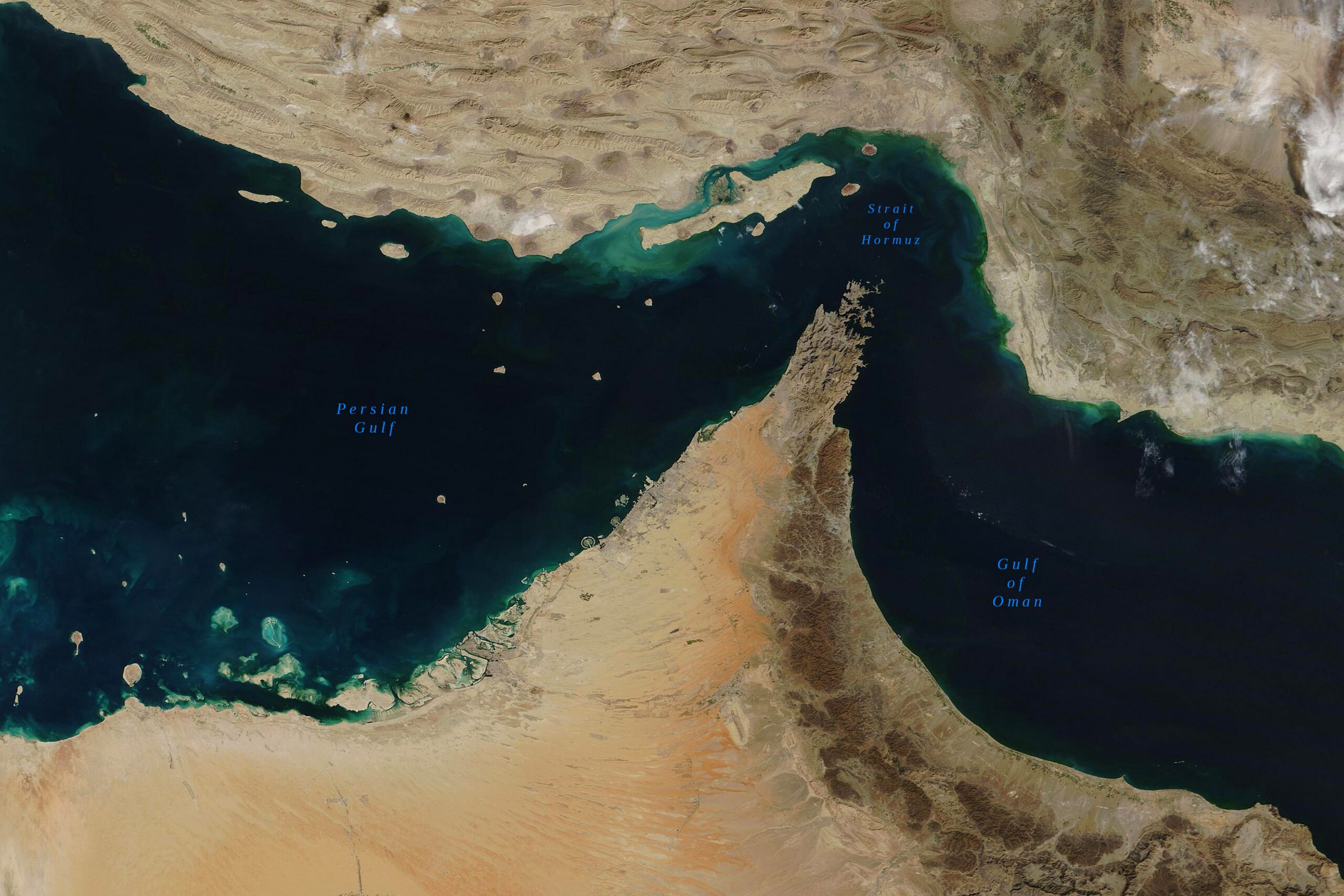
The Strait of Hormuz handles roughly one-third of global seaborne oil trade, with daily transit calls typically ranging between 60 and 80 vessels before recent disruptions. Since late 2023, Houthi attacks on commercial shipping and subsequent regional tensions have depressed traffic substantially, pushing 7-day moving averages well below historical norms. This market asks whether transits will recover to a 60-call threshold—a level that represents partial normalisation rather than full pre-disruption volumes—by the end of June 2026.
Historical precedent suggests recovery timelines vary sharply depending on conflict resolution speed. The 2019 tanker attacks saw traffic dip for weeks before rebounding within months once insurance and routing protocols stabilised. Conversely, the 2011 Strait closure threat during the Iran nuclear standoff created uncertainty lasting years. The current 22% implied probability reflects trader scepticism about sustained de-escalation within eighteen months, particularly given the absence of formal ceasefire agreements and ongoing Houthi capability to disrupt shipping lanes.
Traders should monitor three dependencies: announcements of US or regional military operations that might degrade Houthi drone and missile capacity; IMF Portwatch publication schedules, which determine settlement timing; and shipping insurance premium movements, which signal market confidence in corridor safety. Recent reports from maritime security firms indicate some rerouting around the Cape of Good Hope remains economically viable even at current fuel prices, reducing pressure for rapid Hormuz normalisation. Deposit and withdrawal friction on prediction platforms—particularly SEPA settlement delays or Klarna payment holds—may affect liquidity if volatility spikes around geopolitical announcements.
Methodology
Methodologically we separate two layers: the live probability (Polymarket mid-price) and the platform attributes (fee, KYC, settlement currency, payment rails). The odds column is filled only where we have clean data — that avoids the made-up numbers that get a network demoted when search engines cross-check against the source venue.
Resolution & payout
Settlement runs on-chain. Polymarket's contract logic separates YES and NO shares as conditional tokens; at resolution the winning share lifts to $1.00 and the losing one to $0. The outcome input comes from the UMA Optimistic Oracle, which secures against bad resolution with a bond + dispute window.
Once finalised, the smart contract pays USDC to the holders' wallets within minutes — no withdrawal fees beyond Polygon network gas. Kalshi settles in USD via CFTC clearance, Betfair in account currency net of commission, Manifold in play-money mana with no cash-out.
FAQ
- Is this market available outside the US?
- Polymarket Klarna UK is available in most jurisdictions where Polymarket isn't directly accessible. Polymarket itself is geo-blocked in the US/UK/EU. Always check local regulations.
- What's the difference between YES and NO shares?
- A YES share pays $1.00 if the event happens, $0 otherwise. A NO share pays $1.00 if the event doesn't happen. The market price between 0¢ and 100¢ is the implied probability.
- What does it cost to trade on Polymarket Klarna UK?
- Zero. Polymarket Klarna UK routes every order to the live Polymarket order book; the only cost is the Polygon network fee, typically under $0.01 per transaction.
- How fast are USDC deposits?
- Polygon credits deposits after 12 confirmations — usually under 30 seconds. Withdrawals follow the same path and land back in your wallet within minutes.
- How reliable are the quoted odds?
- The YES/NO percentages are the live mid-prices of the Polymarket order book. On deep markets they move every few seconds; on thinner ones you'll see short plateaus.
%22%2F%3E%3Cpath%20d%3D%22M%206%2066%20A%2026%2026%200%200%201%2058%2066%22%20fill%3D%22%23E6B98D%22%20opacity%3D%220.9%22%2F%3E%3Ccircle%20cx%3D%2232%22%20cy%3D%2226%22%20r%3D%2222%22%20fill%3D%22%23F5CBA7%22%2F%3E%3Crect%20x%3D%2210%22%20y%3D%224%22%20width%3D%2244%22%20height%3D%2214%22%20rx%3D%227%22%20fill%3D%22%2310b981%22%20opacity%3D%220.9%22%2F%3E%3Crect%20x%3D%228%22%20%20y%3D%2218%22%20width%3D%228%22%20%20height%3D%2218%22%20rx%3D%224%22%20fill%3D%22%2310b981%22%20opacity%3D%220.7%22%2F%3E%3Crect%20x%3D%2248%22%20y%3D%2218%22%20width%3D%228%22%20%20height%3D%2218%22%20rx%3D%224%22%20fill%3D%22%2310b981%22%20opacity%3D%220.7%22%2F%3E%3C%2Fsvg%3E) and
and%22%2F%3E%3Cpath%20d%3D%22M%206%2066%20A%2026%2026%200%200%201%2058%2066%22%20fill%3D%22%23E6B98D%22%20opacity%3D%220.9%22%2F%3E%3Ccircle%20cx%3D%2232%22%20cy%3D%2226%22%20r%3D%2222%22%20fill%3D%22%23F5CBA7%22%2F%3E%3Crect%20x%3D%2214%22%20y%3D%224%22%20width%3D%2236%22%20height%3D%228%22%20rx%3D%224%22%20fill%3D%22%2310b981%22%2F%3E%3C%2Fsvg%3E)
Trade Strait of Hormuz traffic returns to normal by end of… on Polymarket Klarna UK
Live order book, 0% fees, USDC settlement in seconds.
Trade on Polymarket Klarna UK →