Platform comparison
| Platform | YES odds | NO odds | Fee | KYC | Settlement | |
|---|---|---|---|---|---|---|
Polymarket (via Polymarket Klarna UK) Pick polygram.ink (preferred broker) |
0% | 100% | 0% (USDC on-chain) | No-KYC up to $1,500 | USDC, auto via UMA oracle | Go to the live market → |
Polymarket (direct) polymarket.com |
0% | 100% | 0% | Geo-blocked in US/UK/EU | USDC, on-chain | Go to the live market → |
Kalshi kalshi.com |
— | — | Up to 7% per trade | US-only, KYC required | USD | Go to the live market → |
Betfair Exchange betfair.com |
— | — | 2-5% commission | Full KYC from first trade | GBP / EUR | Go to the live market → |
Manifold Markets manifold.markets |
— | — | Play-money (mana) | None — play-money | Mana (no cash-out) | Go to the live market → |
Market context
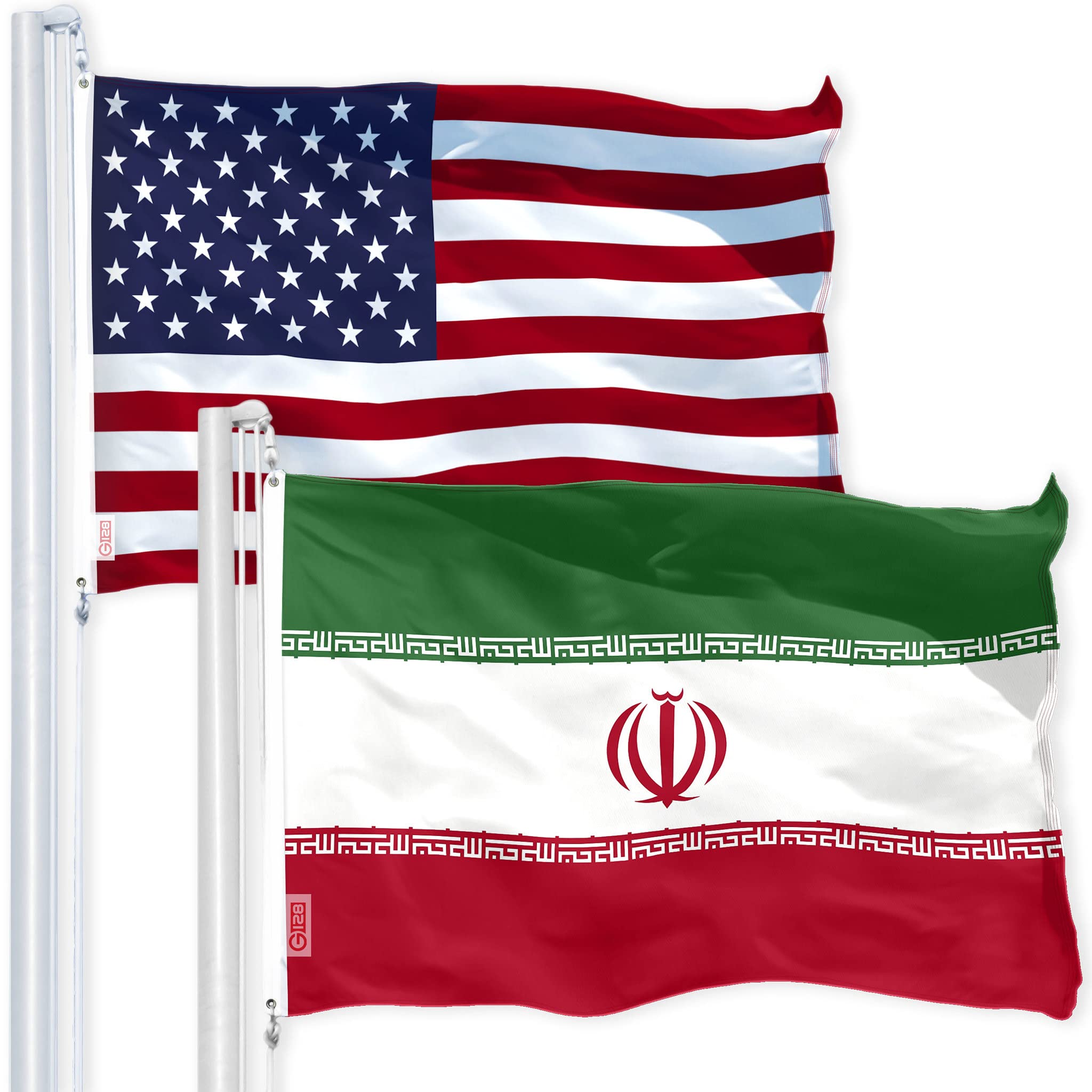
The core event is whether Washington and Tehran publicly and officially announce that the 60-day negotiation period created by their June memorandum will be extended before 20 August. The deal path is already familiar: Reuters, AP and Al Jazeera all described the original framework as a 60-day ceasefire-and-talks arrangement, but one that depended on final approval and later formalisation, so any extension is likely to be judged on a fresh, explicit statement rather than on background diplomacy alone.[4][2][1][6]
That history matters because markets on ceasefire or negotiation deadlines tend to price in a mixture of signature risk, procedural slippage and the possibility of quiet continuity without a qualifying announcement. Here, the fact pattern already includes a tentative agreement, later reporting that the negotiation window had begun, and repeated references to mutual consent for extension, which means traders are effectively betting on whether the sides will choose to re-publicise a continuation rather than let talks roll on informally.[1][7][16] On 38% YES, the book is signalling a meaningful but not dominant expectation that officials will still have an incentive to lock in another formal period.
The main catalysts are official readouts from the White House, the Iranian foreign ministry, or any joint communique tied to the talks, especially if they follow scheduled technical meetings or third-party mediation. Reuters and AP both flagged that Trump’s approval was a gating issue early in the process, so any extension would most likely surface through a statement on sanctions relief, maritime access, or nuclear talks rather than a standalone procedural note.[4][2][15] For book depth, the practical angle is funding friction: traders who can move fiat quickly via SEPA or card rails, or cycle balances through USDC withdrawals, tend to respond faster to headline risk than users waiting on slower bank rails, which can leave the market thinner until the next official update.
Methodology
This page compares US-Iran 60 day negotiation period extended? with a focus on payment rails and deposit friction. Polymarket accepts USDC on Polygon only; Kalshi only ACH/Plaid (US only); Betfair card/SEPA in EU/UK; Manifold no deposit. Polymarket Klarna UK additionally offers Klarna and SOFORT as fiat on-ramps to USDC. Live odds reflect the Polymarket order book.
Resolution & payout
Settlement path determines payout latency. Polymarket settles on-chain (USDC, minutes). Broker frontends like Polymarket Klarna UK add Klarna/SOFORT as fiat withdrawal options with T+1 processing. Kalshi: USD via ACH (T+1 to T+3). Betfair: local currency via card/SEPA (T+1 to T+5).
UK Frequently Asked Questions
- How does Klarna deposit work on Polymarket Klarna UK?
- You enter the deposit amount in EUR/GBP, choose Klarna as the method, run through Klarna's standard authentication (Pay Later or Direct Bank Transfer), and Polymarket Klarna UK converts internally to USDC for the Polymarket order book. Processing: typically under 30 minutes.
- What does SOFORT cost as a deposit method?
- Polymarket Klarna UK charges no fees for SOFORT. The only cost is the internal FX spread (typically <1%) on EUR→USDC conversion. SOFORT itself has no end-user fees — the platform absorbs acquirer costs.
- Can UK traders use Klarna to deposit on Polymarket?
- Polymarket does not natively accept Klarna. To fund a Polymarket account from the UK, you must first purchase USDC via a crypto exchange (Coinbase UK, Kraken) or Revolut, then transfer to a Polygon-compatible wallet. Some third-party on-ramps (MoonPay, Transak) accept UK debit cards and may support Klarna buy-now-pay-later for crypto purchases.
- What payment methods can UK users use for Polymarket?
- UK traders typically use: (1) Coinbase UK or Kraken — buy USDC with GBP debit card or bank transfer; (2) Revolut — buy crypto and send to wallet; (3) MoonPay or Transak — Visa/Mastercard UK debit card directly to USDC on Polygon. Standard GBP-to-USDC conversion fees range from 0.5–2.5%.
- How long do Polymarket withdrawals take for UK users?
- Polymarket withdrawals to your Polygon wallet are instant (on-chain). Converting USDC back to GBP via Coinbase UK or Kraken typically takes 1–3 business days for bank transfer, or near-instant for Revolut. Polygon gas fees are minimal (<$0.01 per transaction).
%22%2F%3E%3Cpath%20d%3D%22M%206%2066%20A%2026%2026%200%200%201%2058%2066%22%20fill%3D%22%23E6B98D%22%20opacity%3D%220.9%22%2F%3E%3Ccircle%20cx%3D%2232%22%20cy%3D%2226%22%20r%3D%2222%22%20fill%3D%22%23F5CBA7%22%2F%3E%3Crect%20x%3D%2210%22%20y%3D%224%22%20width%3D%2244%22%20height%3D%2214%22%20rx%3D%227%22%20fill%3D%22%2310b981%22%20opacity%3D%220.9%22%2F%3E%3Crect%20x%3D%228%22%20%20y%3D%2218%22%20width%3D%228%22%20%20height%3D%2218%22%20rx%3D%224%22%20fill%3D%22%2310b981%22%20opacity%3D%220.7%22%2F%3E%3Crect%20x%3D%2248%22%20y%3D%2218%22%20width%3D%228%22%20%20height%3D%2218%22%20rx%3D%224%22%20fill%3D%22%2310b981%22%20opacity%3D%220.7%22%2F%3E%3C%2Fsvg%3E) and
and%22%2F%3E%3Cpath%20d%3D%22M%206%2066%20A%2026%2026%200%200%201%2058%2066%22%20fill%3D%22%23E6B98D%22%20opacity%3D%220.9%22%2F%3E%3Ccircle%20cx%3D%2232%22%20cy%3D%2226%22%20r%3D%2222%22%20fill%3D%22%23F5CBA7%22%2F%3E%3Crect%20x%3D%2214%22%20y%3D%224%22%20width%3D%2236%22%20height%3D%228%22%20rx%3D%224%22%20fill%3D%22%2310b981%22%2F%3E%3C%2Fsvg%3E)
Trade US-Iran 60 day negotiation period extended? on Polymarket Klarna UK
Live order book, 0% fees, USDC settlement in seconds.
Open live market →